
Article Details
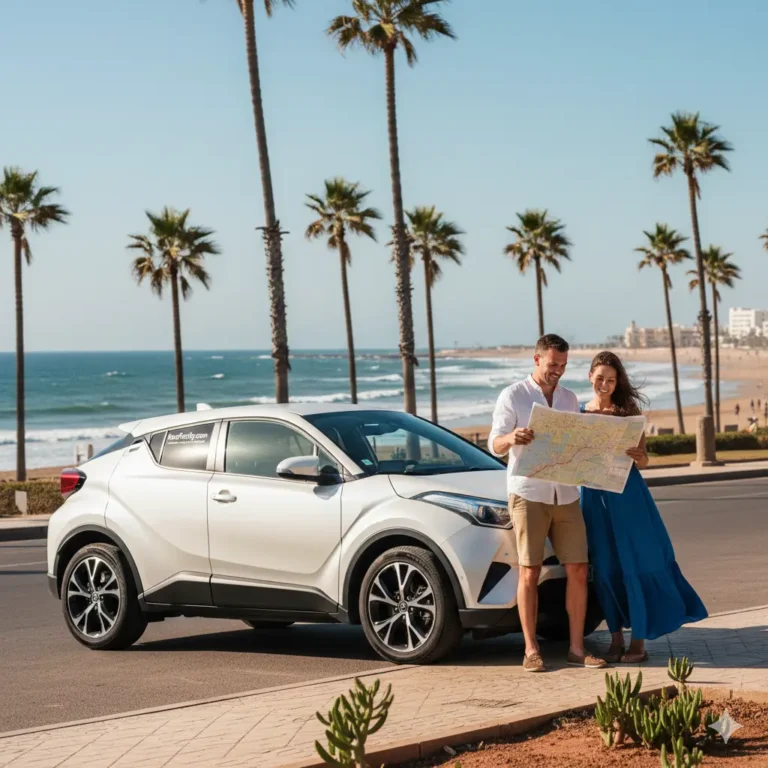
Renting a car can be one of the easiest ways to discover Morocco. Instead of depending on fixed bus schedules or arranging taxis every time you want to visit somewhere, having your own rental car gives you more freedom to explore at your own pace.
But if you have never driven in Morocco before, you may have a few questions. What are the roads like? Is driving in Moroccan cities difficult? What should you know about traffic, parking, fuel, and road signs?
The good news is that driving in Morocco can be a comfortable experience when you know what to expect.
This beginner’s guide will walk you through the basics and help you feel more prepared before picking up your rental car.
Is Driving in Morocco Difficult for Tourists?
Driving in Morocco isn’t necessarily difficult, but it can be different from what you’re used to at home.
Major roads between cities are generally straightforward, while driving in busy urban areas requires more attention. You may encounter scooters, pedestrians, bicycles, taxis, buses, roundabouts, and changing traffic conditions.
The most important thing is not to rush.
Take your time, keep a safe distance from other vehicles, follow road signs, and stay alert. After a few hours behind the wheel, many visitors become much more comfortable with the local driving environment.
Drive on the Right-Hand Side
In Morocco, vehicles drive on the right-hand side of the road.
If you’re coming from a country where people drive on the left, give yourself some time to adjust. Pay particular attention when turning, entering roundabouts, changing lanes, and leaving parking areas.
If you’re already familiar with right-hand traffic, the adjustment should be much easier.
Take Some Time to Get Comfortable With Your Rental Car
Before leaving the rental location, don’t immediately start driving toward your destination.
Spend a few minutes getting familiar with the vehicle.
Check:
- How the headlights work
- Windshield wipers
- Turn signals
- Air conditioning
- Parking brake
- Gear selector
- Fuel type
- Mirrors and seat position
- Navigation system or phone connection
If you’ve rented an automatic car, make sure you’re comfortable with the gear selector. If you’ve chosen a manual vehicle, take a moment to understand the clutch and gear positions.
Those few minutes can make the beginning of your trip much less stressful.
Understand Moroccan Road Signs
Moroccan roads use familiar international-style signs, so most travelers can understand them without too much difficulty.
You’ll see signs for:
- Speed limits
- Stop
- No entry
- One-way roads
- Parking
- Directions
- Cities and destinations
- Roundabouts
- Road warnings
Some signs may include Arabic and French, while others use symbols that are easy to recognize.
If you’re unsure about a sign, slow down rather than making a quick decision.
Be Careful Around Roundabouts
Roundabouts are common in Morocco, particularly in cities and on major roads.
If you’re not used to them, approach slowly and look carefully at the traffic already circulating.
Before entering a roundabout:
- Reduce your speed.
- Look for other vehicles.
- Check the road signs and lane markings.
- Choose the appropriate lane.
- Signal when leaving when appropriate.
- Watch for motorcycles and scooters.
Don’t assume that every driver will behave exactly as you would expect. Staying alert is more important than trying to predict what another driver will do.
Watch Out for Scooters and Motorcycles
In Moroccan cities, scooters and motorcycles are a normal part of traffic.
They can sometimes move through gaps between vehicles or appear beside you unexpectedly, especially in busy areas.
When changing lanes or turning, check your mirrors carefully and take a quick look at your blind spot.
Keeping a little extra space around your vehicle can make city driving much more comfortable.
Pedestrians Can Be Everywhere
Pedestrians are another important thing to watch for.
In busy neighborhoods, markets, city centers, and residential streets, people may cross roads or walk close to moving traffic.
Reduce your speed in crowded areas and pay attention to people approaching the edge of the road.
This is particularly important when driving through unfamiliar neighborhoods where you don’t know what is coming around the next corner.
Don’t Rely Only on Your Phone for Navigation
Google Maps and other navigation apps can be extremely useful when driving around Morocco.
However, it’s a good idea to prepare your route before starting the journey.
Check:
- Your destination
- Approximate driving time
- Major roads
- Fuel stops
- Possible alternative routes
- Your accommodation’s exact location
Mobile coverage can vary depending on where you’re traveling, especially in rural or mountainous areas.
Downloading maps for offline use can also be helpful.
Driving Between Moroccan Cities
One of the biggest advantages of renting a car is being able to travel beyond your starting city.
Depending on your itinerary, you may drive between major destinations or explore smaller towns along the way.
Major routes can be relatively easy to follow, but driving times can be longer than they look on a map.
Don’t plan your itinerary too tightly.
A journey that looks short on a map may take longer because of traffic, road conditions, stops, construction, or simply because you want to stop and enjoy the scenery.
Be More Careful on Mountain Roads
Morocco has some beautiful mountain landscapes, including roads through the Atlas Mountains and other mountainous regions.
These roads can be very different from city streets.
You may encounter:
- Curves and hairpin bends
- Steep sections
- Narrow roads
- Slow-moving vehicles
- Mountain villages
- Animals near the road
- Changing weather conditions
Drive according to the conditions rather than trying to maintain the same speed you would use on a major highway.
If you’re nervous about mountain driving, plan shorter journeys and avoid driving after dark when possible.
Parking in Moroccan Cities
Parking can be one of the more confusing parts of driving in larger cities.
In busy areas, finding an open space may take some patience. You may also come across paid parking areas or local parking attendants.
Always check the signs and understand whether parking is permitted before leaving your vehicle.
If you’re staying at a hotel, riad, or apartment, ask about parking before arriving. Some accommodations have private parking, while others may recommend a nearby parking area.
Don’t Leave Valuables Visible
As a general travel precaution, avoid leaving valuable items visible inside your rental car.
Don’t leave:
- Passports
- Cameras
- Laptops
- Wallets
- Bags
- Phones
- Other valuable belongings
If you need to leave luggage in the vehicle temporarily, keep it out of sight and park in an appropriate location.
The simplest rule is: don’t give people a reason to notice what’s inside your car.
Learn the Fuel Policy Before You Leave
Before driving away from the rental location, check the fuel level and understand the company’s fuel policy.
Some rentals operate on a full-to-full basis, meaning you receive the vehicle with a full tank and are expected to return it full.
Others may have different arrangements.
Knowing the policy beforehand helps you avoid unnecessary charges when returning the car.
Also make sure you know whether your vehicle requires petrol or diesel.
Inspect the Car Before Starting Your Trip
A quick inspection is one of the most important things you can do before leaving with a rental car.
Walk around the vehicle and check for existing scratches, dents, marks, or other damage.
Look at:
- Front and rear bumpers
- Doors
- Mirrors
- Wheels
- Tires
- Windshield
- Lights
- Body panels
Take clear photos or a short video of the vehicle before driving away, especially if you notice existing damage.
If something isn’t already documented in your rental agreement, ask the rental company to record it.
It only takes a few minutes and can give you additional peace of mind when returning the vehicle.
Keep Your Rental Documents With You
Make sure you have the documents required by your rental company and keep your rental agreement accessible during the trip.
Depending on your situation and rental terms, these may include your driving licence, passport or identification, rental agreement, and insurance information.
Before leaving the pickup location, make sure you know how to contact the rental company if you have a question, breakdown, accident, or other problem.
Take Breaks on Long Journeys
Morocco offers some excellent road-trip opportunities, but don’t underestimate long-distance driving.
If you’re traveling for several hours, take regular breaks.
Stop for coffee, lunch, fuel, or simply to stretch your legs.
Driving while tired can make even a simple road feel much more difficult.
It’s better to arrive later and safely than to rush through a long journey.
Driving at Night
If you’re unfamiliar with Morocco, consider limiting long-distance driving at night, particularly on unfamiliar rural or mountain roads.
At night, it can be harder to see pedestrians, animals, road obstacles, cyclists, or changes in road conditions.
If you arrive at the airport late, you may prefer to keep your first drive short and get settled before starting a longer journey the following day.
Follow the Speed Limits
Always pay attention to posted speed limits.
Don’t assume that a road’s appearance tells you how fast you can legally drive. Limits can change depending on the type of road and surrounding area.
When approaching towns, intersections, construction areas, or busy pedestrian zones, slow down and watch for signs.
If you’re unsure about the limit, reduce your speed until you can confirm it.
What About Tolls?
Some major highways in Morocco are toll roads.
If your itinerary includes long-distance motorway travel, be prepared for toll stations.
Keep an appropriate payment method available and make sure you know whether your route includes toll roads before starting the journey.
The motorway can be a convenient option for longer trips between cities, while other roads may offer a slower but more scenic experience.
Popular Places to Explore by Rental Car
One of the best things about having a rental car is the flexibility to create your own itinerary.
Depending on where you’re staying, you can explore coastal towns, mountain landscapes, historic cities, beaches, and smaller villages.
For travelers based around Agadir, for example, a car can make it easier to explore destinations such as Taghazout, Tamraght, Paradise Valley, Taroudant, or other parts of southern Morocco.
The important thing is to check the route, estimate realistic driving times, and leave enough room for stops along the way.
What Should You Do If Something Goes Wrong?
Even with careful driving, unexpected situations can happen.
If you have a problem with your rental car:
- Move to a safe location if possible.
- Turn on your hazard lights when appropriate.
- Contact the rental company.
- Follow the instructions provided in your rental agreement.
- Document the situation with photos if it is safe to do so.
- Contact the appropriate local emergency services if necessary.
Don’t attempt major repairs yourself unless you’ve been specifically instructed to do so.
Your rental company should be your first point of contact for rental-related problems.
A Simple Checklist for First-Time Drivers in Morocco
Before starting your Moroccan road trip, keep this checklist in mind:
☐ Check your rental agreement
☐ Inspect the vehicle and photograph existing damage
☐ Confirm the fuel type
☐ Check the fuel policy
☐ Adjust your mirrors and seat
☐ Test the lights and air conditioning
☐ Plan your first route
☐ Download offline maps if useful
☐ Check parking at your accommodation
☐ Keep rental documents accessible
☐ Save the rental company’s contact details
☐ Watch carefully for scooters and pedestrians
☐ Follow road signs and speed limits
☐ Take breaks during long journeys
☐ Avoid unnecessary night driving on unfamiliar roads
Final Thoughts
Driving in Morocco for the first time may seem intimidating, but preparation can make a big difference.
You don’t need to know every road in advance. Start slowly, become familiar with your rental car, follow the signs, and give yourself enough time to reach your destination.
The real advantage of renting a car is the freedom it gives you. You can stop when you want, explore places outside the main tourist routes, and build a trip around your own schedule.
Whether you’re arriving at an airport, staying in a Moroccan city, or planning a longer road trip, a little preparation before turning the key can help make the journey more enjoyable.
Take your time, stay alert, and enjoy discovering Morocco from behind the wheel.
Company Profile : Rent fastly
Company information
Company name : Rent fastly
Address :
- Street Number and Name : Aéroport Al Massira
- City : Agadir
- Postal Code: 86603
- Country : Morocco
Phone :+212663077524
Email Address : booking@rentalcaragadir.ma
Site Web : https://rentalcaragadir.ma/